
About Horticultural Therapy
History of Horticultural Therapy
Horticultural therapy is a time-proven practice. The therapeutic benefits of garden environments have been documented since ancient times.
In the 19th century, Dr. Benjamin Rush, a signer of the Declaration of Independence and recognized as the "Father of American Psychiatry," was first to document the positive effect working in the garden had on individuals with mental illness.
In the 1940s and 1950s, rehabilitative care of hospitalized war veterans significantly expanded acceptance of the practice. No longer limited to treating mental illness, horticultural therapy practice gained in credibility and was embraced for a much wider range of diagnoses and therapeutic options. Today, horticultural therapy is accepted as a beneficial and effective therapeutic modality. It is widely used within a broad range of rehabilitative, vocational, and community settings.
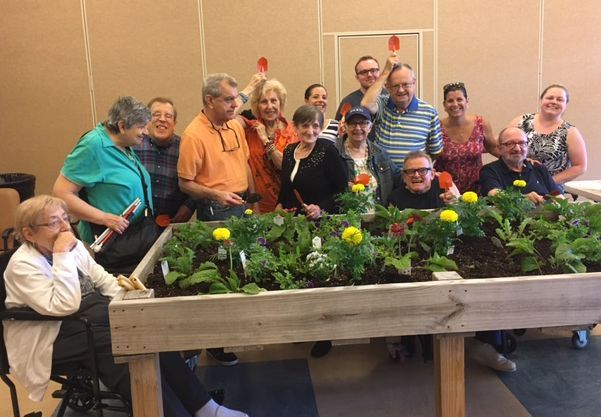
Why Incorporate Horticultural Therapy?
Horticultural therapy techniques are employed to:
- Assist participants to learn new skills or regain those that are lost.
- Help improve memory, cognitive abilities, task initiation, language skills, and socialization.
- Help strengthen muscles and improve coordination, balance, and endurance in physical rehabilitation.
- Learn to work independently, problem solve, and follow directions in vocational HT setting.
Horticultural therapists are professionals with specific education, training, and credentials in the use of horticulture for therapy and rehabilitation.
Timeline of HT as a Vocation
The use of plants and gardens for healing dates back thousands of years. In ancient Egypt, physicians prescribed walks in palace gardens for individuals experiencing mental distress. Similarly, ancient Chinese and Japanese cultures incorporated gardening and nature-based practices into spiritual and medical traditions, emphasizing balance, harmony, and well-being. Greek and Roman healing temples, such as those dedicated to Asclepius, also featured gardens as spaces for rest, reflection, and recovery. These early practices reflect a long-standing understanding that nature plays a vital role in human health.
18th/19th Century
During the 18th and 19th centuries, horticultural activities became more formally integrated into healthcare settings through the moral treatment movement. Dr. Benjamin Rush, considered the father of American psychiatry, observed that individuals who engaged in gardening showed improved mental health outcomes. As a result, hospitals and asylums across Europe and the United States began incorporating gardening, farming, and landscaped environments into treatment programs. Gardening was viewed as a meaningful and dignified occupation that promoted routine, responsibility, and emotional regulation.
WWI/II
Horticultural therapy gained significant recognition during World Wars I and II. Veterans recovering from physical injuries and psychological trauma, including what is now recognized as post-traumatic stress disorder, participated in gardening as part of their rehabilitation. These activities supported the development of fine and gross motor skills, enhanced emotional well-being, and fostered a sense of purpose. Medical professionals began documenting the therapeutic benefits of gardening, expanding its use beyond mental health care into physical rehabilitation.
1950-1970
Between the 1950s and 1970s, research on therapeutic gardens and plant-based interventions increased. In 1973, the National Council for Therapy and Rehabilitation through Horticulture was established, marking a significant step toward professional recognition. This organization later became the AHTA in 1987. During this period, formal education programs, professional standards, ethical guidelines, and credentialing processes were developed, solidifying horticultural therapy as a distinct and credible discipline.
Current
Today, horticultural therapy is an evidence-based and interdisciplinary practice supported by research in psychology, neuroscience, and environmental studies. It is informed by theories such as the Biophilia Hypothesis, Attention Restoration Theory, and Stress Reduction Theory. Horticultural therapy is used in diverse settings, including mental health treatment programs, schools, rehabilitation centers, correctional facilities, and community organizations. It is particularly effective for trauma survivors, adolescents, individuals with substance use disorders, neurodivergent populations, and older adults. Modern horticultural therapy emphasizes empowerment, skill-building, emotional regulation, and connection to both self and environment.
Horticultural Therapy
Horticultural therapy is the participation in horticultural activities facilitated by a registered horticultural therapist to achieve specific goals within an established treatment, rehabilitation, or vocational plan. Horticultural therapy is an active process which occurs in the context of an established treatment plan where the process itself is considered the therapeutic activity rather than the end product.
Two Definitions of Practice Directly Support the Role Of A Horticultural Therapist
Therapeutic Horticulture
Therapeutic horticulture is the participation in horticultural activities facilitated by a registered horticultural therapist or other professionals with training in the use of horticulture as a therapeutic modality to support program goals. Therapeutic horticulture is the process through which participants enhance their well-being through active or passive involvement in plant and plant-related activities.

Learn About the AHTA's Role in Horticultural Therapy
AHTA is a non-profit membership-driven organization whose mission is to promote and advance the profession of Horticultural Therapy as a therapeutic intervention and rehabilitative modality through:
- The dissemination of information relating to the principles and practices of horticultural therapy as a treatment modality.
- The encouragement of professional growth of horticultural therapy practitioners.
- The establishment of professional standards and a credentialing process for horticultural therapy practitioners.
- The promotion of research related to the impact of horticultural therapy as a treatment modality.
- The advocacy of horticultural therapy as a treatment modality to the public, the healthcare industry, the academic community, and the allied professions.
- The promotion of horticultural therapy educational opportunities.
Discover HT in Action
Now that you know the roots of horticultural therapy and how it cultivates healing, it’s time to see it live. We host a variety of open-access webinars, community discussions, and introductory workshops designed to connect you with industry pioneers and practical techniques.